How I Rebuilt My Body After Baby — Real Talk on Postpartum Healing
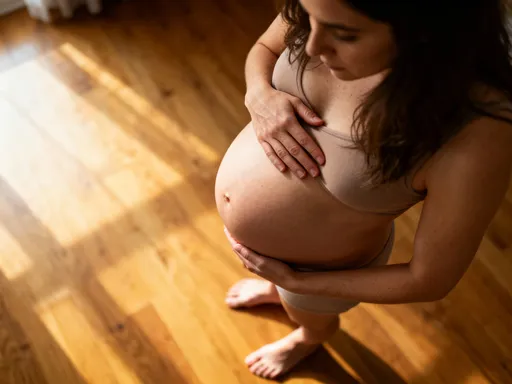
After having my baby, I felt like my body had been through a storm. I wanted to heal—not just look “back to normal,” but feel strong and whole again. This isn’t about quick fixes or impossible standards. It’s about real recovery: honoring the changes, understanding what your body needs, and taking practical steps forward. If you're navigating postpartum body repair, you're not broken—you're rebuilding. Let’s walk through it together, one honest step at a time.
The Hidden Reality of Postpartum Recovery
For many women, the weeks and months after childbirth are marked by a quiet dissonance. On one hand, there’s the joy of welcoming a new life. On the other, there’s a sense of unfamiliarity with the body that carried and delivered that life. This emotional and physical disconnect is more common than often acknowledged. Society frequently celebrates the idea of “bouncing back” shortly after delivery—highlighting celebrity moms returning to red carpets or fitness routines within weeks. But this narrative can be deeply misleading and even damaging. The truth is, the postpartum period is not a countdown to pre-pregnancy form; it is the beginning of a new chapter in a woman’s physical story.
The concept of “bouncing back” implies that pregnancy was a temporary detour and that returning to the previous body should be the goal. However, this mindset overlooks the profound transformation that occurs during gestation and birth. A woman’s body undergoes structural, hormonal, and metabolic changes that serve a vital purpose. To treat them as something to be reversed quickly is to disregard the strength and complexity of what has just been accomplished. Instead, postpartum healing should be reframed as body repair—a gradual, personal journey that respects individual timelines and experiences. It is not a race, nor is it a test of willpower.
Healing extends far beyond aesthetics. While many women hope to regain a familiar silhouette, true recovery involves restoring function, rebuilding strength, and regaining trust in one’s body. This includes the ability to move without pain, to carry daily loads comfortably, and to feel confident in physical capability. It also means addressing internal shifts, such as pelvic floor integrity and core stability, that are not visible but are essential for long-term health. When women focus solely on appearance, they may overlook signs that deeper healing is still needed, potentially leading to chronic issues like diastasis recti or pelvic organ prolapse.
Understanding postpartum recovery as a process of rebuilding—rather than erasing—shifts the emotional burden. It replaces shame with self-compassion and comparison with curiosity. Every woman’s journey is shaped by her genetics, delivery experience, support system, and lifestyle. There is no universal timeline, and no single version of success. The goal is not to return to who you were, but to integrate the experience of motherhood into a stronger, more resilient version of yourself.
Why Your Body Needs Time: The Science of Postpartum Healing
To appreciate the depth of postpartum recovery, it’s important to understand the physiological journey a woman’s body endures during pregnancy and childbirth. From the first trimester, the body begins adapting to support a growing fetus. Hormones like relaxin increase joint laxity to prepare the pelvis for delivery, while the abdominal wall stretches to accommodate an expanding uterus. Blood volume rises by nearly 50%, and the heart works harder to circulate it. These changes are not superficial—they are systemic and demand time to normalize after birth.
One of the most significant aspects of recovery involves connective tissue, particularly the linea alba, the band of fascia that runs down the center of the abdomen. During pregnancy, this tissue thins and stretches to allow the abdominal muscles to separate—a condition known as diastasis recti. While some degree of separation is normal, full restoration of fascial integrity can take months. Research indicates that the collagen fibers in this tissue require consistent, gentle loading and time to reorganize and regain tensile strength. Rushing into intense core exercises too soon can hinder this process, potentially worsening the separation.
Hormonal shifts also play a crucial role in the postpartum timeline. After delivery, estrogen and progesterone levels drop sharply, which can affect mood, skin elasticity, and tissue healing. For those who are breastfeeding, prolactin remains elevated, which further delays the return of menstruation and can influence bone density and muscle recovery. These hormonal fluctuations are not deficiencies—they are part of a natural transition that supports infant nourishment and maternal bonding. However, they also mean that the body is not immediately ready for pre-pregnancy fitness demands.
The pelvic floor, a group of muscles that support the bladder, uterus, and rectum, undergoes tremendous stress during labor. Whether delivery is vaginal or cesarean, these muscles often experience weakness or dysfunction due to prolonged pressure and hormonal changes. Studies show that up to 30% of women experience some degree of urinary incontinence in the first year postpartum, a sign that pelvic floor rehabilitation is needed. Healing these muscles requires more than time—it requires intentional, guided reactivation.
Medical research consistently supports a recovery window of 6 to 12 months for meaningful physical restoration. A 2020 review published in the journal Women's Health Physical Therapy emphasized that tissue healing, especially in the abdominal and pelvic regions, follows a predictable biological timeline that cannot be rushed. Women who engage in high-impact exercise or heavy lifting before their bodies are ready are at higher risk for complications such as hernias, pelvic pain, and long-term musculoskeletal issues. Therefore, patience is not passive—it is a form of active care.
Listening to Your Body: Recognizing Warning Signs vs. Normal Discomfort
In the early postpartum months, it’s common to experience a range of physical sensations. Some are normal and expected; others may signal that deeper healing is needed. Learning to distinguish between the two is a critical skill. Mild soreness, fatigue, and temporary changes in bladder control are part of the recovery landscape for many women. These symptoms often improve with time, rest, and gentle movement. However, persistent pain, bulging in the abdomen, or leakage during everyday activities like coughing or lifting should not be dismissed as “just part of being a mom.”
Diastasis recti, for example, is more than just a cosmetic concern. When the abdominal muscles remain separated by more than two finger-widths, it can lead to lower back pain, poor posture, and reduced core stability. Similarly, urinary incontinence beyond the first few weeks postpartum is not a normal or inevitable outcome of childbirth. It is a sign that the pelvic floor muscles need targeted support. Joint pain, especially in the hips and lower back, may indicate that connective tissue is still recovering or that movement patterns need adjustment.
The key is mindful awareness, not self-diagnosis. Women are encouraged to tune into their bodies without fear or judgment. Paying attention to how certain movements feel—whether a deep crunch causes a doming in the abdomen or whether lifting the baby strains the lower back—can provide valuable feedback. Journaling symptoms, energy levels, and physical responses can help identify patterns and inform conversations with healthcare providers.
It is essential to consult a qualified professional, such as a pelvic floor physical therapist, when concerns persist. These specialists are trained to assess postpartum recovery with precision and can offer personalized guidance. They may use internal exams to evaluate muscle tone and coordination, or provide exercises tailored to individual needs. Seeking help is not a sign of failure—it is a proactive step toward long-term well-being. Women who receive early intervention often experience faster, more complete recovery.
Movement That Supports Healing—Not Hurts It
Physical activity after childbirth should be approached with care and intention. The goal is not to burn calories or shrink the waistline, but to restore function, improve circulation, and rebuild strength from the inside out. In the first few weeks, the most supportive movements are often the simplest: walking, diaphragmatic breathing, and gentle pelvic tilts. These activities promote blood flow, support lymphatic drainage, and begin to reactivate deep core muscles without placing strain on healing tissues.
Walking is one of the most accessible and beneficial forms of postpartum exercise. Starting with short, slow walks around the neighborhood or even inside the home can help ease the body back into movement. As endurance improves, duration and pace can gradually increase. The rhythmic nature of walking also supports mental well-being, offering a chance to step outside the confines of the nursery and reconnect with the world.
Breathing exercises are equally important. The diaphragm, a dome-shaped muscle beneath the lungs, plays a crucial role in core stability. During pregnancy, its movement is restricted by the growing uterus. After birth, relearning deep, three-dimensional breathing—where the breath expands the ribcage and engages the pelvic floor—helps reestablish neuromuscular connections. This type of breathing not only supports core reintegration but also calms the nervous system, reducing stress and promoting healing.
As the body progresses through recovery, movement can become more structured. Around six to eight weeks postpartum—assuming clearance from a healthcare provider—women can begin gentle core activation exercises, such as dead bugs or heel slides, that emphasize control over intensity. Proper alignment is critical: shoulders over hips, neutral spine, and engaged transverse abdominis. These small, precise movements lay the foundation for future strength training without compromising healing tissues.
It is important to avoid high-impact activities, heavy lifting, or traditional ab exercises like crunches and planks in the early months. These movements generate excessive intra-abdominal pressure, which can worsen diastasis recti or strain the pelvic floor. Instead, focus should be on quality of movement, not quantity. A 10-minute session of mindful exercise is more beneficial than a 30-minute workout that ignores bodily signals.
Nutrition as Nourishment: Fueling Repair from Within
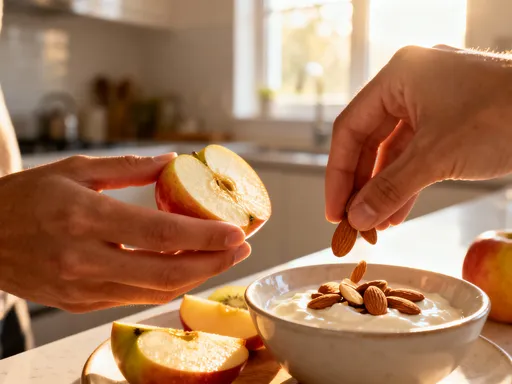
Just as movement must be rethought after childbirth, so too must nutrition. The postpartum period is not the time for restrictive diets or calorie counting. The body is still in a state of repair, and if breastfeeding, it is also producing nutrient-dense milk. Protein is essential for tissue regeneration, particularly for healing stretched abdominal fascia and rebuilding muscle. Including high-quality sources—such as eggs, fish, poultry, legumes, and Greek yogurt—at every meal supports this process.
Healthy fats, especially omega-3 fatty acids found in fatty fish, flaxseeds, and walnuts, play a vital role in reducing inflammation and supporting brain health—both for the mother and, if nursing, the baby. Micronutrients like iron, zinc, vitamin D, and B vitamins are also crucial. Iron helps replenish blood lost during delivery, while vitamin D supports immune function and mood regulation. Many women benefit from continuing a prenatal vitamin during the first year postpartum, especially if breastfeeding.
The myth of “eating for two” often persists after birth, leading some women to overconsume in fear of low milk supply. However, most nursing mothers need only an additional 300–500 calories per day, not double their intake. The quality of food matters more than quantity. Meals rich in whole grains, vegetables, lean protein, and healthy fats provide sustained energy and support milk production without excess weight gain.
Practical eating habits can make a big difference. Preparing meals in advance, keeping healthy snacks within reach, and staying hydrated are simple strategies that support both physical recovery and daily function. Drinking water throughout the day—especially when nursing—helps maintain energy and prevent constipation, a common postpartum issue. Food should be seen as care, not punishment. Restrictive eating can delay healing, disrupt hormones, and increase fatigue, making motherhood even more challenging.
Rest, Rhythm, and Emotional Resilience
Sleep, or the lack of it, is one of the most significant factors affecting postpartum recovery. Chronic sleep deprivation disrupts hormone balance, weakens the immune system, and slows tissue repair. Cortisol, the stress hormone, rises when sleep is inadequate, which can interfere with the production of growth hormone needed for healing. While newborn feeding schedules make full nights of sleep rare, finding ways to rest—even in short bursts—can make a meaningful difference.
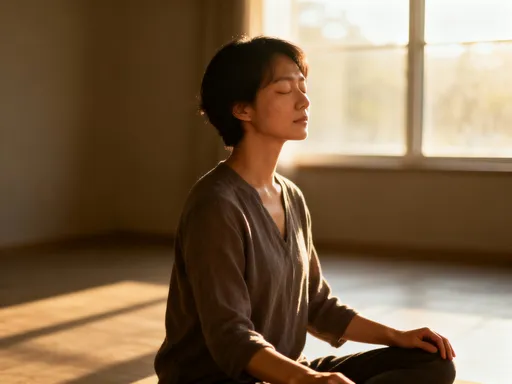
Micro-moments of rest are valuable. Lying down while the baby naps, practicing deep breathing, or simply closing the eyes for 10 minutes can help reset the nervous system. Enlisting support from a partner, family member, or friend to watch the baby while the mother rests is not indulgence—it is necessary care. Creating a rhythm that includes pauses throughout the day supports both physical and emotional resilience.
Emotional well-being is deeply connected to physical healing. Feelings of overwhelm, sadness, or irritability are common in early motherhood and do not necessarily indicate a disorder. The postpartum period is a time of immense adjustment, and emotional waves are a natural part of that process. However, when these feelings persist or intensify, they may signal the need for additional support. Talking to a trusted friend, joining a postpartum group, or speaking with a counselor can provide relief and perspective.
Stress, when chronic, slows the body’s ability to repair. Therefore, practices that promote calm—such as mindfulness, gentle stretching, or listening to soothing music—should be considered part of the recovery toolkit. Healing is not just about what happens on the mat or at the dinner table; it is also about the internal environment. A compassionate mindset, self-kindness, and permission to feel imperfect are all forms of emotional nourishment.
Building a Sustainable Recovery Plan—Your Personal Path Forward
Every woman’s postpartum journey is unique, and so should be her recovery plan. A sustainable approach is flexible, realistic, and rooted in self-awareness. It begins with small, consistent actions rather than dramatic overhauls. Setting achievable goals—such as walking three times a week, drinking more water, or practicing breathing exercises daily—creates momentum without overwhelm.
Tracking progress should focus on function, not just appearance. How do your clothes fit? Can you lift your baby without back pain? Do you have more energy by midday? These are meaningful indicators of healing. The scale, while often emphasized, tells only a small part of the story and can be misleading during hormonal fluctuations and fluid shifts.
Consistency matters more than perfection. Missing a walk or eating convenience food one day does not derail progress. What matters is the overall pattern of care. Building routines that fit into real life—such as doing pelvic floor exercises while feeding the baby or stretching during TV time—makes sustainability possible.
Professional support is a powerful ally. A pelvic floor physical therapist, registered dietitian, or postpartum fitness specialist can provide personalized guidance and accountability. These experts help women navigate recovery with confidence, reducing guesswork and preventing setbacks. Investing in such support is not a luxury—it is an act of long-term self-care.
Ultimately, postpartum healing is not about returning to who you were before. It is about growing into who you are becoming—a mother, yes, but also a woman who has endured, adapted, and rebuilt. This journey is not defined by speed or appearance, but by strength, resilience, and self-compassion. You are not broken. You are healing. And with time, care, and intention, you will emerge stronger than before.