What I Captured in Las Vegas Will Make You Taste the City Differently
You know how people say Las Vegas is all neon lights and casinos? Well, I went there thinking the same—until my camera lens led me to something deeper: the soul of the city on a plate. Through photography, I didn’t just see the food culture—I felt it. From sizzling street tacos to golden-hour fine dining shots, every meal told a story. This is not just about what’s on the plate, but how light, color, and flavor collide in unexpected ways. What began as a simple travel photography project evolved into a sensory journey through one of America’s most misunderstood cities. Las Vegas, often reduced to its glittering skyline and round-the-clock entertainment, revealed itself to me through its kitchens, markets, and quiet corners where food is made with care, tradition, and pride. In capturing these moments, I discovered a different rhythm beneath the city’s flashy surface—one that pulses with authenticity, diversity, and heart.
Reimagining Las Vegas Beyond the Strip
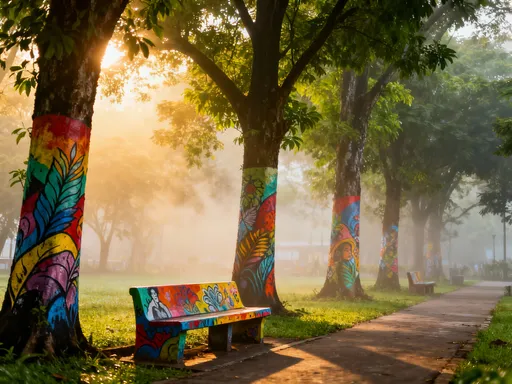
When most travelers picture Las Vegas, their minds drift to the dazzling expanse of the Strip—towering resorts, luxury shopping, and nonstop entertainment. Yet, beyond this well-trodden path lies a city rich in cultural texture and culinary depth. Downtown Las Vegas and the Arts District offer a refreshing contrast to the polished, tourist-centric energy of the main boulevard. Here, the city breathes differently. Murals stretch across brick walls, independent coffee shops hum with local conversation, and food trucks line alleyways not for spectacle, but out of necessity and community. These neighborhoods are where residents live, work, and eat—places where food isn’t a performance, but a part of daily life.
Walking through the Arts District on a Saturday morning, one encounters the Las Vegas Farmers Market, where vendors display seasonal produce grown in nearby valleys. The scent of ripe peaches, basil, and freshly baked bread fills the air. This is where locals gather, not for Instagram moments, but for connection. A woman in a sunhat selects heirloom tomatoes from a family-run farm stand; a couple shares a breakfast burrito wrapped in foil, juice dripping down their fingers. These are the quiet, unscripted scenes that reveal the city’s true character. Photography here becomes less about capturing perfection and more about documenting presence—of people, of place, of flavor rooted in real lives.
Stepping away from the Strip also means encountering Las Vegas as a city shaped by migration and resilience. The neighborhoods east and west of the downtown core are home to generations of families who have built communities through food. A small Salvadoran pupuseria tucked between a laundromat and a hardware store serves handmade corn tortillas filled with cheese and loroco. Around the corner, a Vietnamese pho kitchen simmers broth for 12 hours, drawing regulars from all over the city. These spaces don’t advertise with neon or celebrity chefs—they rely on word of mouth, consistency, and the quiet pride of craftsmanship. For the curious traveler with a camera, these locations offer some of the most meaningful visual stories, where every dish carries history and every interaction reflects belonging.
The Camera as a Culinary Compass
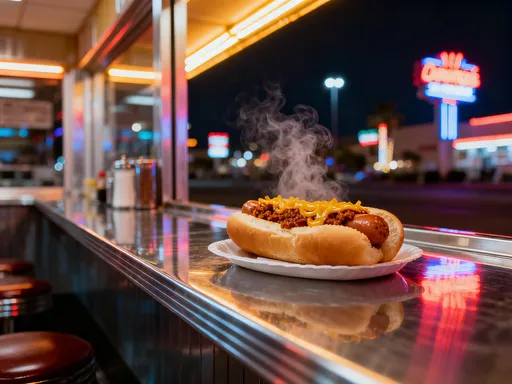
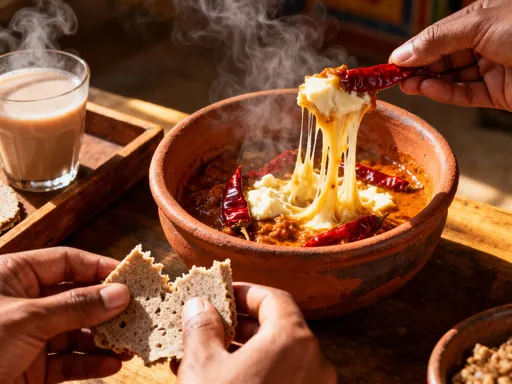
Photography has a way of slowing us down, of making us notice what we might otherwise rush past. In Las Vegas, where everything moves fast—from the blinking signs to the clatter of slot machines—lifting a camera to your eye can feel like pressing pause. It invites intention. When I began using my lens to explore the city’s food culture, I found myself paying attention not just to what was on the plate, but to how it got there. The steam rising from a chili cheese dog at a roadside stand in West Las Vegas wasn’t just vapor—it was evidence of heat, of care, of a cook who knew exactly when to pull the hot dog from the roller grill.
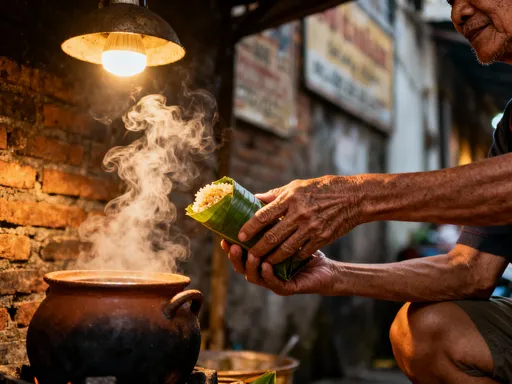
Framing a dish through a viewfinder shifts perception. Suddenly, the crumpled paper tray, the smudged ketchup bottle, the flickering fluorescent light—all become part of the story. I remember photographing a tamale vendor at a weekend flea market. Her hands, weathered and quick, unwrapped each corn husk with precision. I shot from a low angle, catching the golden morning light filtering through a torn canopy. In that moment, the image wasn’t just about food—it was about labor, about tradition, about a woman who had been making tamales for 30 years, passing the recipe down to her daughter. The camera didn’t just record the scene; it deepened my appreciation for it.
There’s a strong link between visual detail and sensory memory. When we see a well-composed photograph of food—the glisten of oil on grilled peppers, the flakiness of a just-baked empanada—it triggers taste, smell, even touch. This connection is especially powerful in a city like Las Vegas, where dining is often treated as spectacle. But through photography, we can move beyond the surface. Instead of focusing only on plated perfection, we begin to see the ingredients, the hands that prepared them, the space where they’re served. A close-up of a baker’s flour-dusted apron or a wide shot of a bustling kitchen during dinner rush tells a fuller story than any menu description ever could. The camera, in this sense, becomes a compass—not guiding us to the trendiest spot, but to the most truthful ones.
Where Flavor Meets Light: Iconic Food Moments
One of the most striking aspects of photographing food in Las Vegas is the interplay between flavor and light. The city’s unique atmosphere—its desert climate, urban density, and 24-hour rhythm—creates opportunities for dramatic and intimate moments alike. A late-night taco truck near Fremont Street, bathed in the glow of vintage neon signs, offers a scene both gritty and poetic. The vendor flips carne asada on a flat-top grill, flames leaping in sync with the beat of a distant speaker. I waited until the sky turned deep indigo, then used a slow shutter to capture the motion of the cook’s hands and the trail of smoke curling into the night. The resulting image feels alive—charged with energy, heat, and hunger.
In contrast, a midday meal at a chef-driven restaurant in Summerlin reveals a different kind of beauty. Natural light floods through floor-to-ceiling windows, illuminating a dish of seared scallops on a bed of saffron risotto. Here, the presentation is meticulous, the plating artistic. I shot from above, using soft diffused light to highlight the textures—the delicate sear on the scallop, the creaminess of the rice, the vibrant green of micro herbs. The photo doesn’t just showcase the dish; it conveys the calm, refined experience of the meal itself. This duality—between raw street energy and composed elegance—is what makes Las Vegas such a compelling subject for food photography.
Time of day plays a crucial role in shaping both the meal and the image. Golden hour, that brief window just after sunrise or before sunset, transforms ordinary scenes into something magical. I photographed a family-run diner in North Las Vegas during late afternoon, when the sun slanted through dusty windows, casting long shadows across Formica tables. A waitress delivered a plate of huevos rancheros, steam rising in golden streaks. The lighting added warmth and nostalgia, turning a simple breakfast into a portrait of everyday comfort. On the other hand, fluorescent lighting—often avoided by photographers—can tell its own story. The harsh glow of a 24-hour diner at 3 a.m. emphasizes the no-frills reality of late-night dining. A burger under those lights may not look ‘perfect,’ but it feels honest. In Las Vegas, where illusion is everywhere, these unvarnished moments are often the most revealing.
Chasing Authenticity in a City of Illusions
Las Vegas is a city built on fantasy. From themed hotels to illusionist shows, the emphasis is often on escape and spectacle. But beneath that surface, there’s a thriving network of authentic food cultures that resist commercialization. Finding them requires patience, humility, and a willingness to look beyond the postcard version of the city. Immigrant communities have long shaped Las Vegas’s culinary identity, bringing flavors from Mexico, Thailand, the Philippines, Ethiopia, and beyond. These kitchens are not designed for tourists—they serve families, workers, and neighbors who rely on familiar tastes in a transient city.
I spent an afternoon in a small Thai restaurant in the Paradise neighborhood, where the owner, a woman who immigrated from Chiang Mai in the 1990s, still prepares all the curries by hand. The dining room is modest—linoleum floors, plastic menus, ceiling fans turning slowly. But the green curry, made with fresh kaffir lime leaves and house-ground paste, is unforgettable. I asked permission before taking photos, and she nodded, continuing to stir a pot of tom yum soup. I focused on details: the steam rising from the broth, the vibrant red of chili oil pooling on the surface, the rows of labeled jars holding dried spices. These images honor the care behind the food without exoticizing it.
Respectful photography means more than just asking for consent. It means avoiding stereotypes—no staged shots of ‘ethnic’ decor or exaggerated expressions. It means photographing the food as it is, in its real context, and telling the story with accuracy and dignity. A family-run Mexican bakery in East Las Vegas, for example, doesn’t need dramatic lighting or filters to feel meaningful. The beauty is in the rows of conchas lined up like works of art, the grandmother teaching her granddaughter how to shape the dough, the regulars who come in every Sunday for pan dulce. These are not ‘hidden gems’ to be exploited for content—they are community institutions that deserve protection, not performance.
Practical Tips for Photographing Food Like a Local
Capturing authentic food moments in Las Vegas doesn’t require expensive gear or professional training. In fact, some of my most powerful images were taken with a smartphone. The key is knowing when and how to use your tools. Natural light is your best ally. Early morning and late afternoon provide soft, warm illumination that enhances texture and color. Avoid using flash in small eateries—it disrupts the atmosphere and flattens the image. Instead, position yourself near a window or step outside to shoot under open sky.
Timing matters. If you’re photographing a busy food truck or market stall, arrive just before peak hours. This gives you a chance to talk to the vendor, understand their story, and compose your shots without rushing. I’ve found that most cooks are happy to share their process if approached with genuine interest. A simple ‘This looks amazing—do you mind if I take a photo?’ goes a long way. Always be mindful of space. In tight kitchens or crowded counters, bulky cameras can be intrusive. A compact phone or mirrorless camera allows you to move freely and capture candid moments without getting in the way.
Settings like the Las Vegas Farmers Market, Container Park in Downtown, or the outdoor plazas near Arts Factory offer ideal conditions for food photography. These spaces combine good lighting, vibrant backdrops, and a mix of culinary offerings. Shoot wide to include the environment—customers chatting, musicians playing, children reaching for churros. Then zoom in for detail: the sprinkle of sugar on a fried doughnut, the drip of honey from a spoon. Editing should enhance, not distort. Keep colors true to life and avoid over-saturating. The goal is to reflect reality, not manufacture it. Finally, remember that the best food photos aren’t just beautiful—they’re honest. They invite the viewer to imagine the taste, the smell, the sound of sizzling oil. They tell a story that begins long before the plate reached the table.
The Stories Behind the Scenes
Some of the most powerful food photographs are not of the final dish, but of the moments that lead to it. Behind every meal in Las Vegas is a network of unseen labor—bakers waking at 4 a.m., farmers loading crates at dawn, line cooks moving in synchronized rhythm during dinner service. I spent a morning at a small sourdough bakery in the Arts District, arriving before sunrise. The head baker, a woman in her forties with flour in her hair, was already shaping loaves by hand. I captured her stretching dough with quiet focus, the oven glowing orange behind her. The images aren’t glamorous, but they carry weight. They remind us that food is not just consumed—it’s crafted.
Later that week, I visited a family-owned taco stand in West Las Vegas during lunch rush. The kitchen was a converted trailer, cramped and hot. Two brothers worked the grill and the register, calling out orders in rapid Spanish. I waited, camera ready, for a quiet moment. It came at 2:15 p.m., when the crowd thinned and one brother wiped sweat from his brow, leaning against the counter. I took a single shot—his hand resting on a stack of tortillas, the grill still smoldering. That image, more than any perfectly plated taco, spoke to the effort behind the food. Photography, at its best, doesn’t just document beauty—it reveals effort, dedication, and resilience.
These behind-the-scenes moments also challenge the myth of the ‘overnight success.’ Many of the city’s most beloved eateries started as pop-ups, food carts, or home kitchens. A popular Ethiopian restaurant in Spring Valley began as a Sunday gathering for friends, where the owner cooked doro wat and injera for her community. Over time, demand grew, and she opened a small storefront. I photographed her stirring a pot of berbere-spiced stew, her daughter setting tables nearby. The image captures continuity—tradition passed down, culture preserved through food. When we photograph these scenes with care, we do more than create art. We bear witness.
Why This Matters: Food Photography as Cultural Connection
Documenting food in Las Vegas is about more than aesthetics. It’s an act of cultural preservation, a way of honoring the people and traditions that shape the city’s identity. In a place often dismissed as superficial, food photography can be a tool for depth, revealing layers of history, migration, and community. Every image I took—of a tamale wrapped in corn husk, of a sushi chef’s hands, of a child biting into a rainbow-colored shaved ice—was a small act of recognition. These moments matter because they reflect real lives, real work, real belonging.
Food photography also supports small businesses. When a local diner or family-run eatery is shared with respect and authenticity, it gains visibility without losing integrity. Social media can amplify these voices, but only if used thoughtfully. A photo shared with context—a caption that names the owner, explains the dish, honors the tradition—does more than attract customers. It builds understanding. It invites others to look beyond the Strip, to explore with curiosity, and to eat with intention.
For travelers, especially women between 30 and 55 who value meaningful experiences, photography offers a way to engage deeply with a destination. It transforms a meal into a memory, a street corner into a story. It encourages mindfulness, empathy, and connection. The next time you visit Las Vegas, don’t just eat—observe. Don’t just snap a selfie—frame the moment. Let your camera guide you not to the most famous restaurant, but to the one where the cook smiles as she hands you your order, where the air smells of cumin and charcoal, where the light falls just right across a plate of handmade noodles. Pick up your phone or camera not for likes, but for understanding. Explore, taste, and capture—not as a tourist, but as a witness. In doing so, you won’t just see Las Vegas differently. You’ll taste it, feel it, and remember it in a whole new way.